Back
Back
 Back
Back
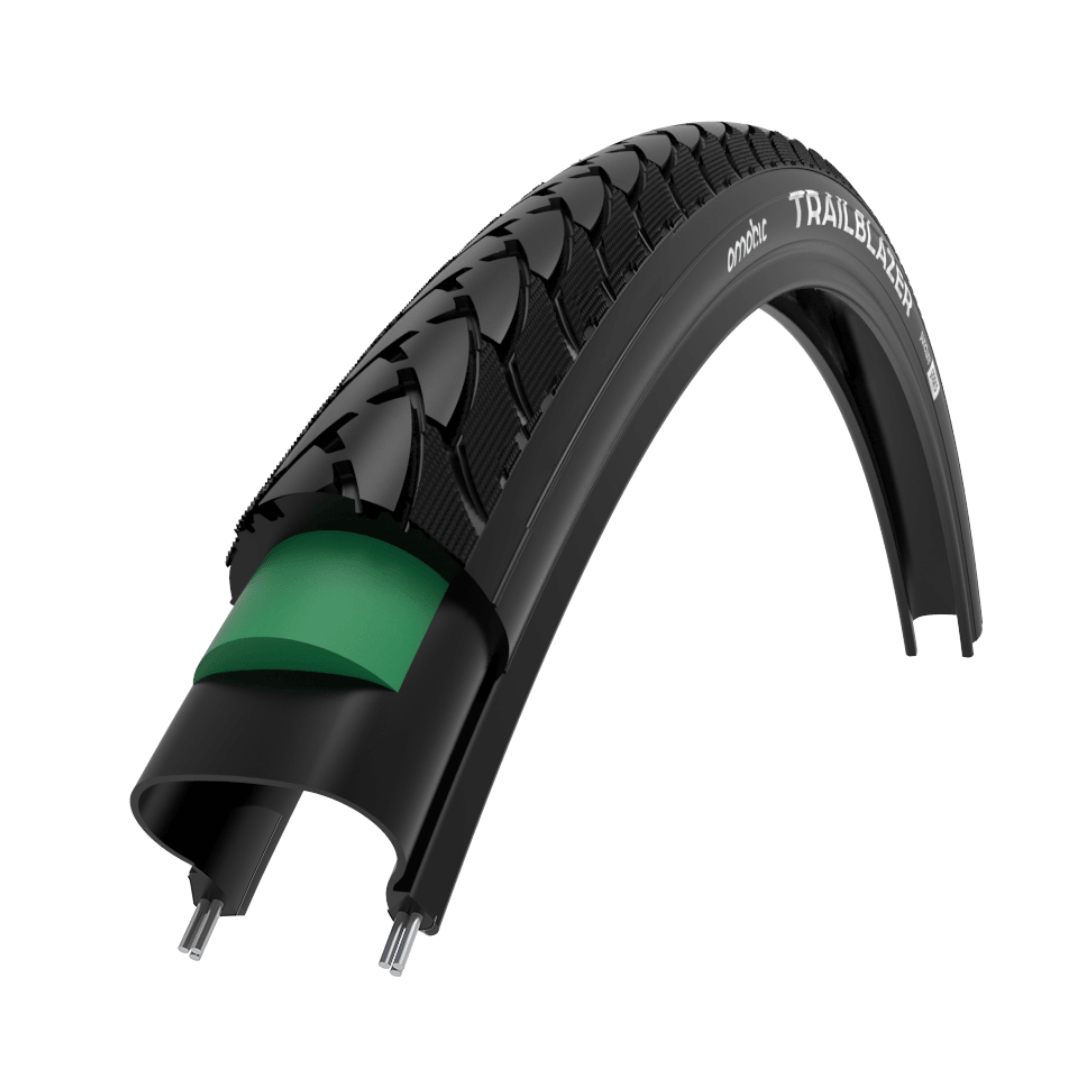

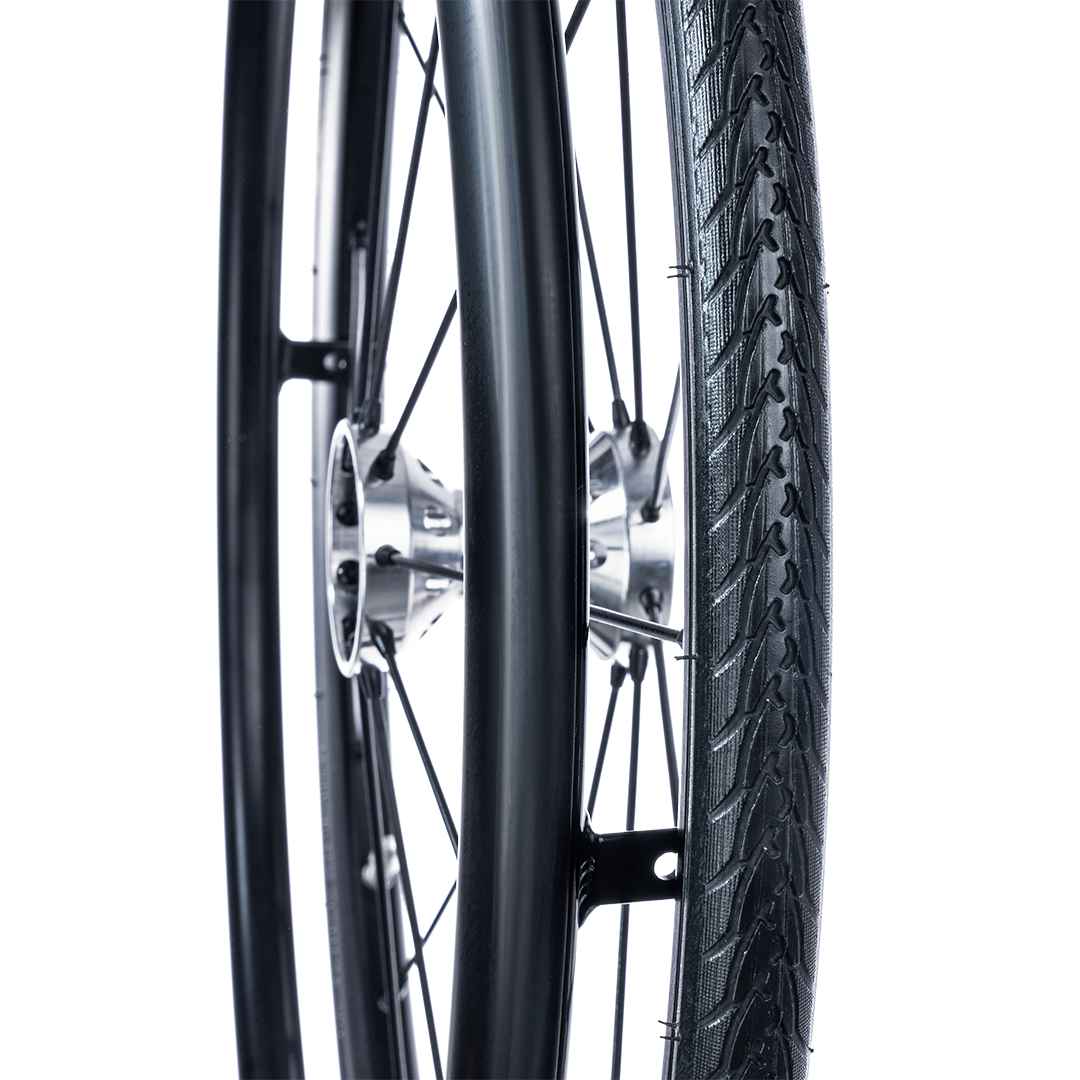
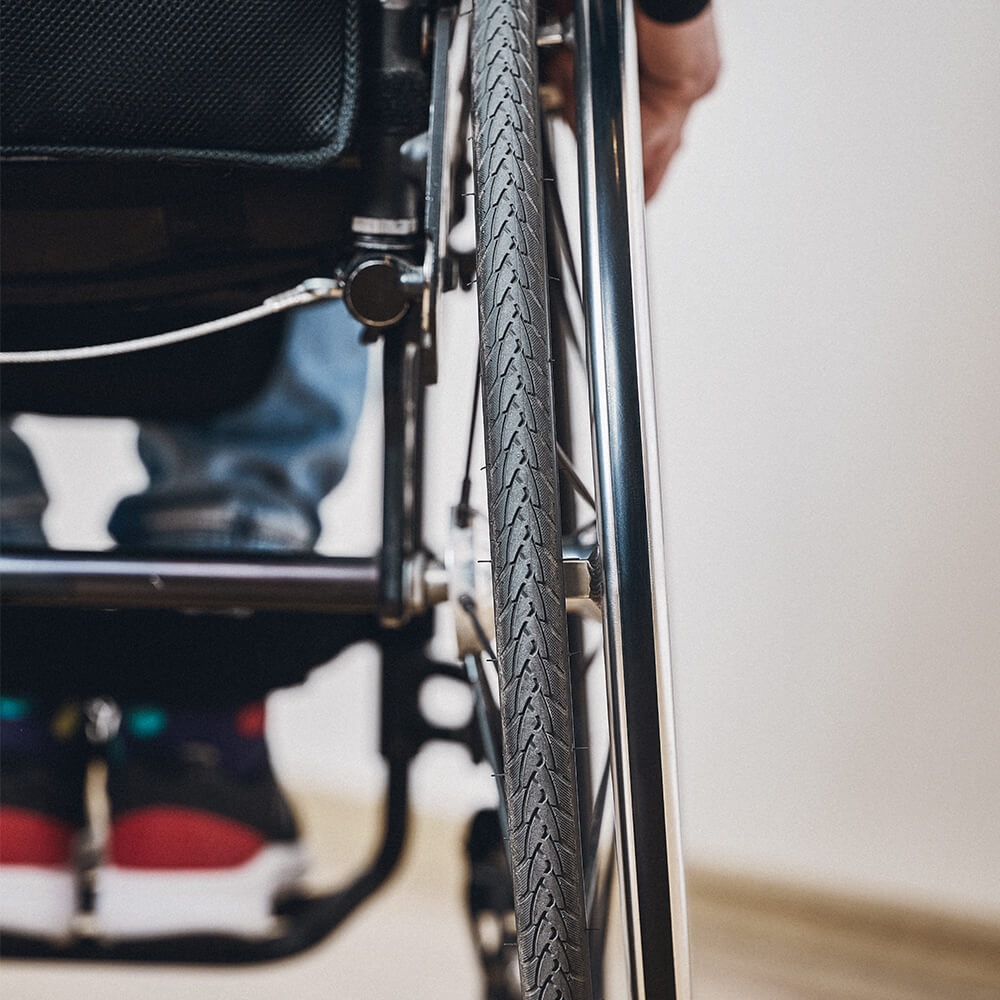
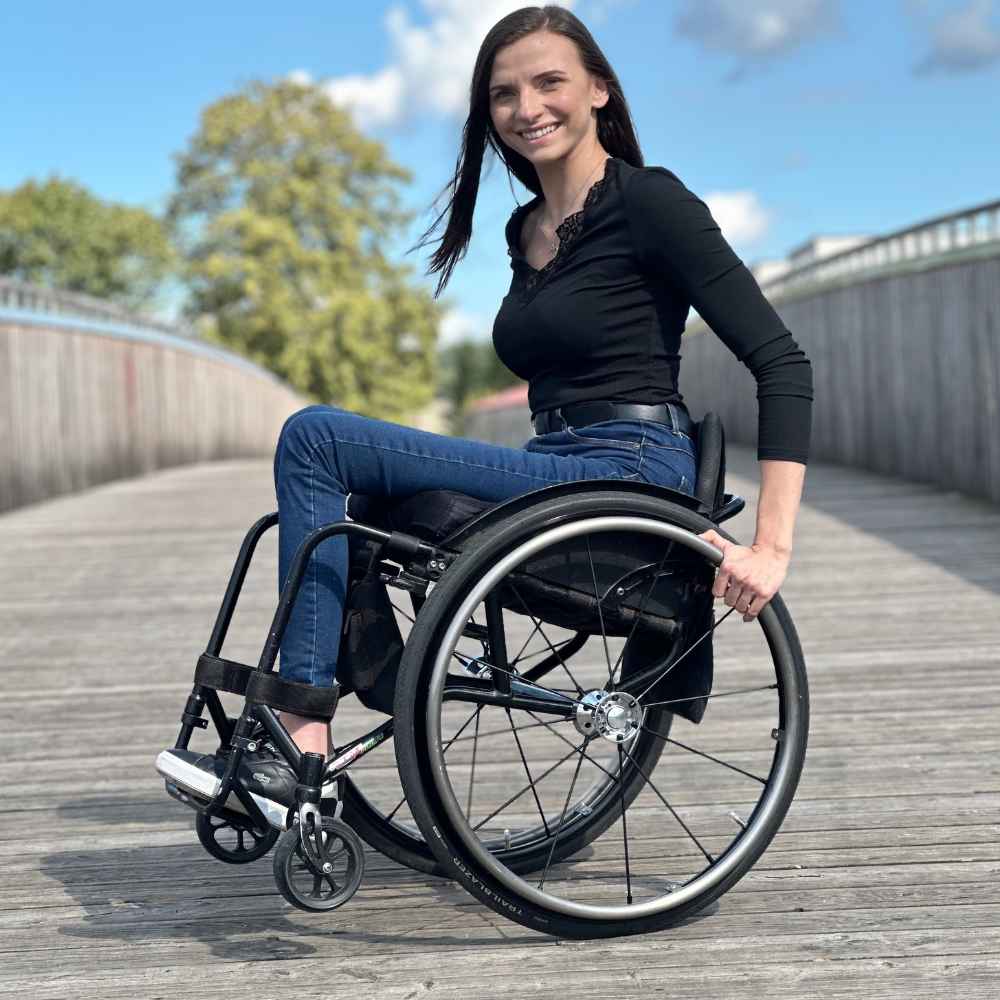
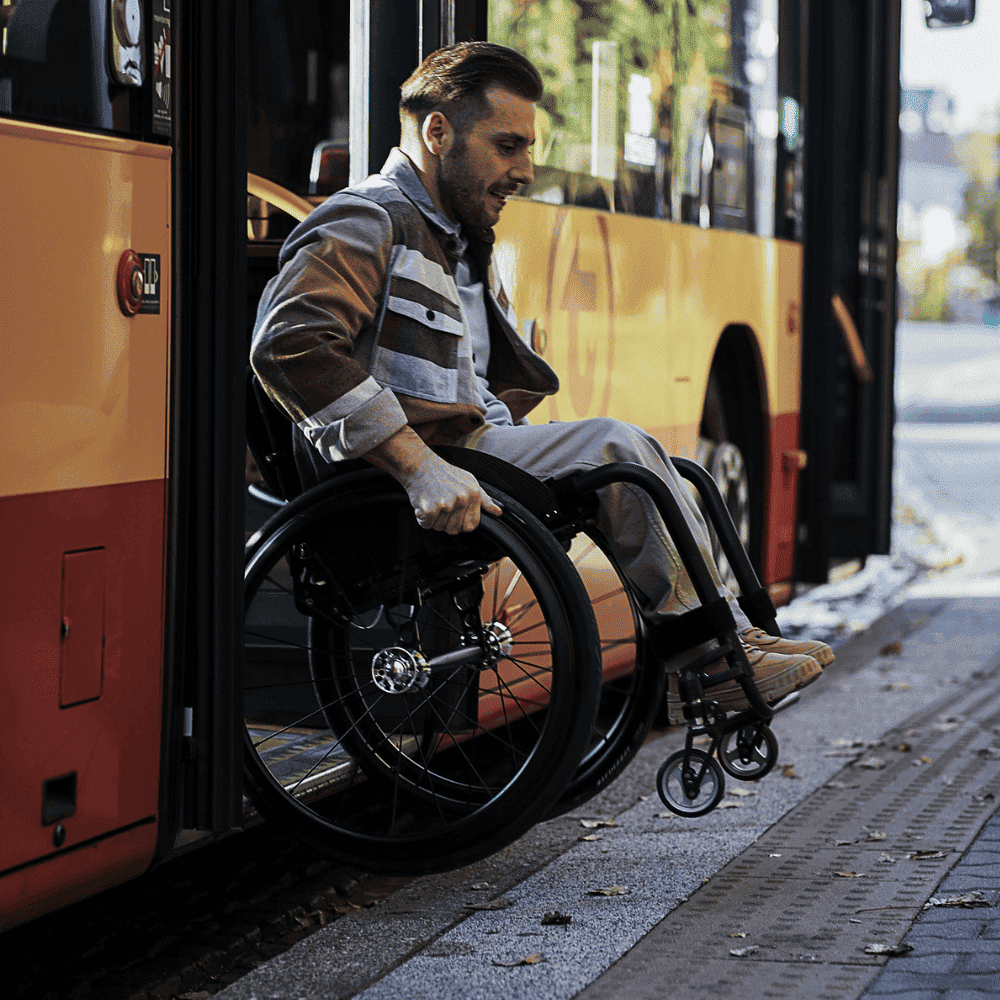
Trailblazer 20″ – 26″
Technical data
Product specifications

- Sizes: 20″ x 1″ (25-451), 22″ x 1″ (25-489), 22″ x 1″ (25-501), 24” x 1” (25-540), 25″ x 1″ (25-559), 26″ x 1″ (25-590)
- Weight: 490 g (+/-30 g) (24″)
- Etrto: 25-451, 25-489, 25-501, 25-540, 25-559, 25-590 – depending on the tyre size
- Max load: 70 kg
- Psi: 87 – 145
- Bar: 6 – 10
View all options and item numbers

Download pdf product sheet

Why to choose Trailblazer tyre?

For daily use
Perfect for your daily routine.
Off-road
Handles any terrain and absorbs bumps for a smoother ride.
Maximum load
70 kg per wheel.
Product applications


FAQ
How to change and pump my tyre?
Changing a manual wheelchair tire is straightforward and similar to fixing a bicycle tire. Follow these steps:
1. Remove the wheel: Detach the quick-release wheel from your wheelchair frame.
2. Deflate the tube: Release all air through the valve so the tire loosens from the rim.
3. Pry the tire off: Insert a tire lever between the tire bead and the rim opposite the valve, hooking it to a spoke. Use a second lever around the rim to pop the tire bead off completely.
4. Inspect the tube: Unscrew the valve retaining nut, remove the inner tube, and check for punctures. Replace or patch the tube as needed.
5. Reinstall tire and tube: Seat one side of the tire on the rim. Place the inner tube inside, aligning the valve stem with the valve hole. Fit the remaining tire bead back onto the rim by hand (or gently with a lever, taking care not to pinch the tube).
6. Inflate to pressure: Pump the tire to the recommended pressure indicated on the tire sidewall.
7. Reattach the wheel: Secure the wheel firmly back onto the wheelchair frame.
Expert tips:
– Choose car valves: Opt for inner tubes with standard car valves. They are universally compatible with standard air inflators and gas station pumps without needing a Presta adapter.
– Keep an emergency kit: Always carry a compact hand pump (or CO2 inflator) and a spare inner tube on daily trips to handle flats on the go.
How does a high and wide protection belt prevent tyre punctures?
The enlarged sub-tread protection belt creates a dense physical barrier between the outer rubber surface and the inner tube. By covering a wider cross-section of the tyre profile, it deflects sharp debris (such as glass shards, grit, and thorns) entering at both center and angled contact points, virtually eliminating roadside flats.
Does an extremely puncture-resistant tyre increase rolling resistance?
No. While traditional heavy-duty tyres often suffer from high rolling drag, this Omobic tyre is engineered with a specialized easy-running center profile. This design concentrates the contact patch effectively, allowing the wheel to glide smoothly with minimal friction and reduced upper-body propulsion effort.
How Omobic Gazelle, Speedlite and Trailblazer differ?
All Omobic tires (the Gazelle, Speedlite, and Trailblazer) share the same core foundation: they are reliable, puncture-proof, non-marking, and support a maximum load capacity of 70 kg.
The primary differences between them come down to weight, tread design, and their recommended application:
Gazelle (195 g): As the lightest option, the Gazelle features the flattest tread profile. It has a very elegant design, making it a great match for delicate wheels like the Skylite. This tire is highly recommended for city use and for users who prioritize keeping their component weight to an absolute minimum.
Speedlite (265 g): Designed as the ideal everyday tire, the Speedlite features a medium tread. It offers excellent balance and low rolling resistance for typical daily use.
Traiblazer (490 g): The heaviest of the three due to its deep, high tread, the Trailblazer is built for demanding environments. It features a steel bead layer for extremely high puncture resistance, making it the best choice for users who spend a lot of time outdoors in nature, such as in parks and forests.