

 Back
Back
 Back
Back
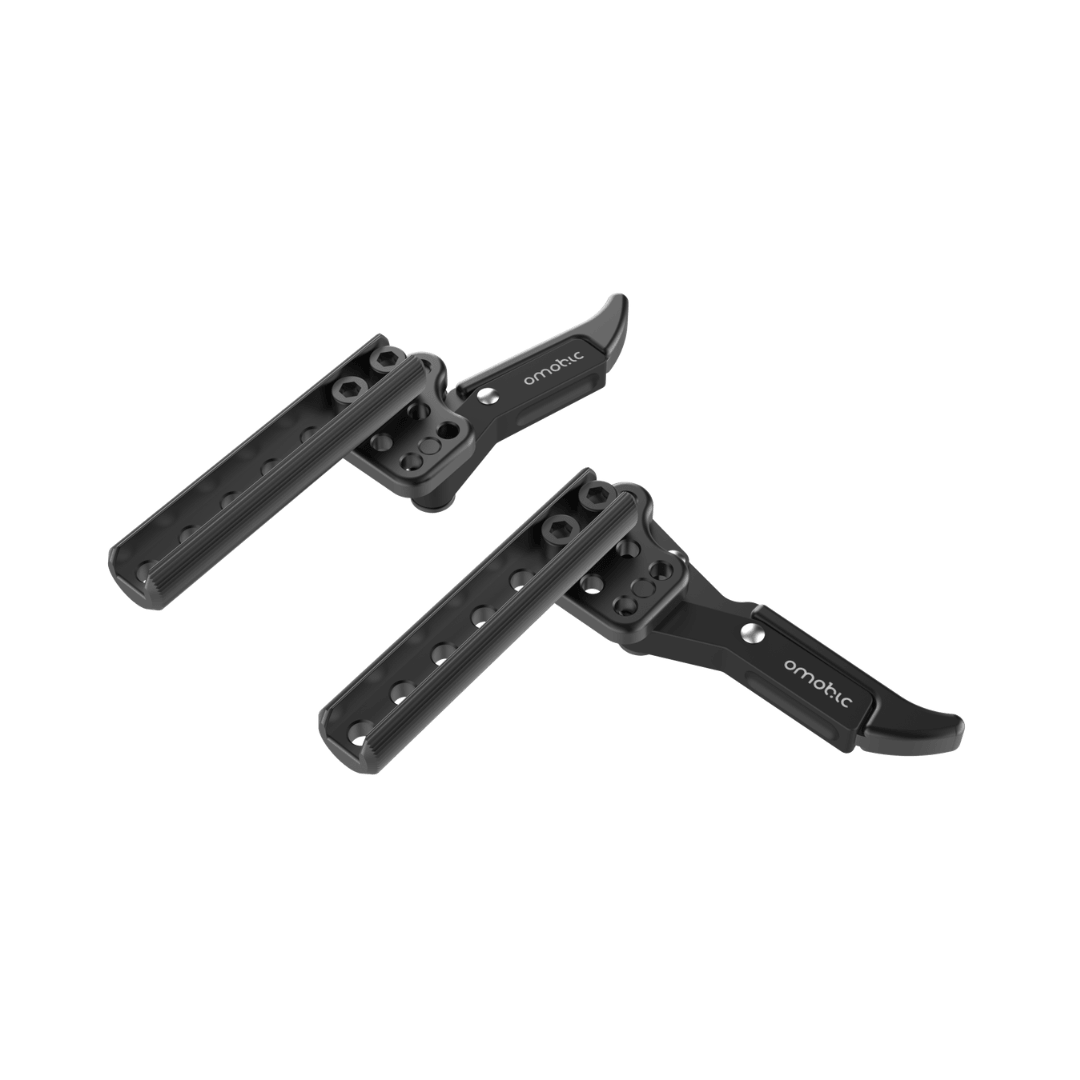

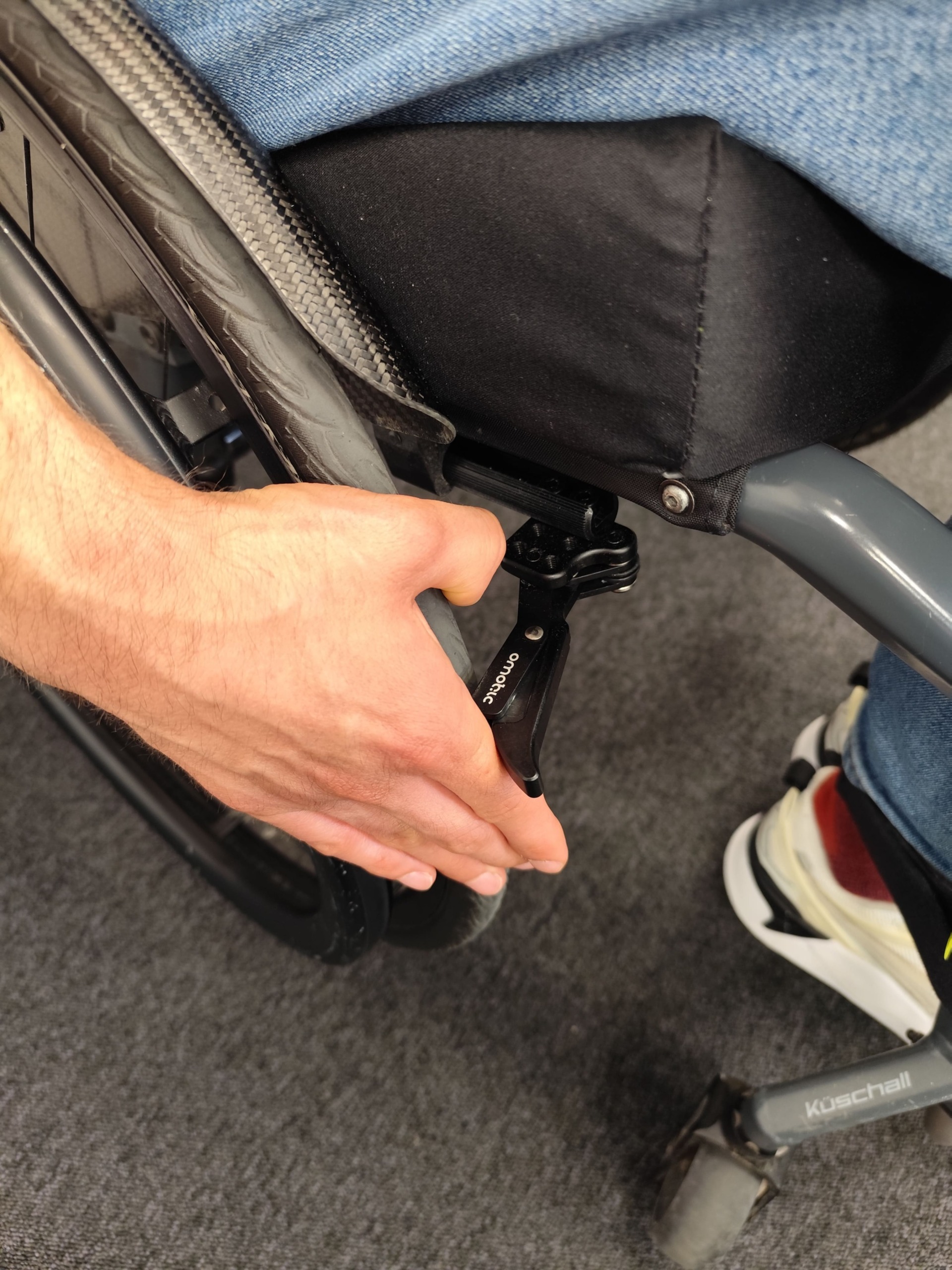

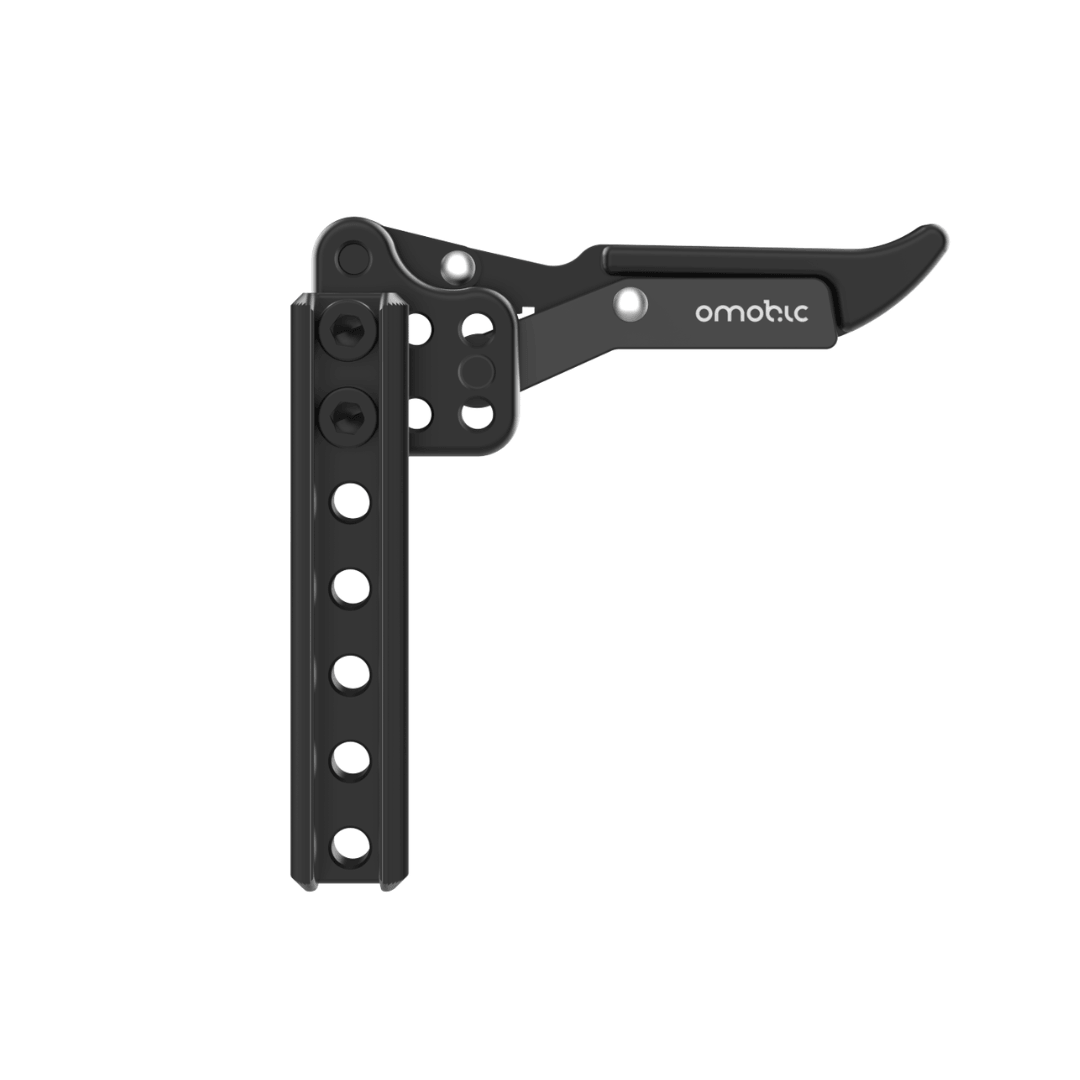
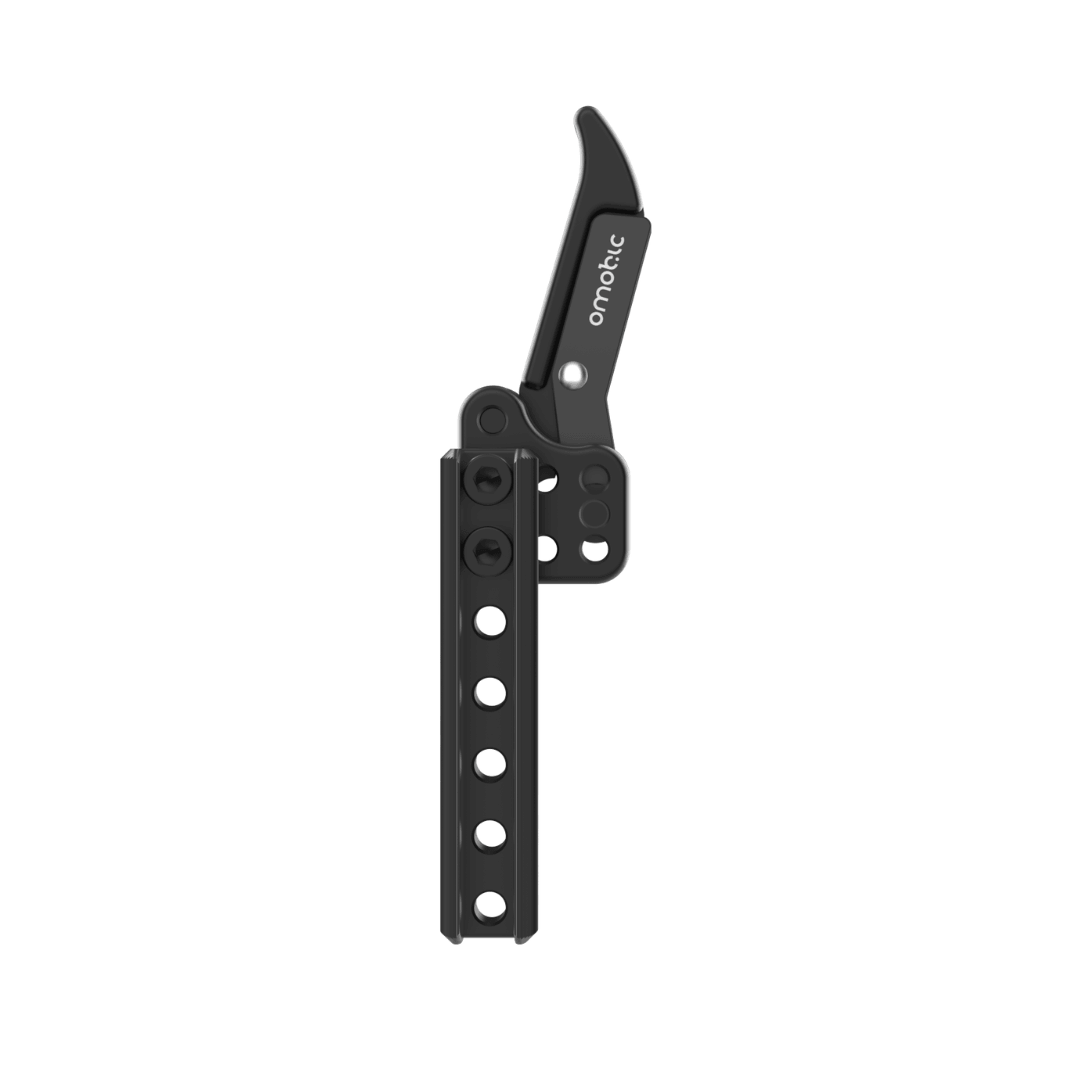
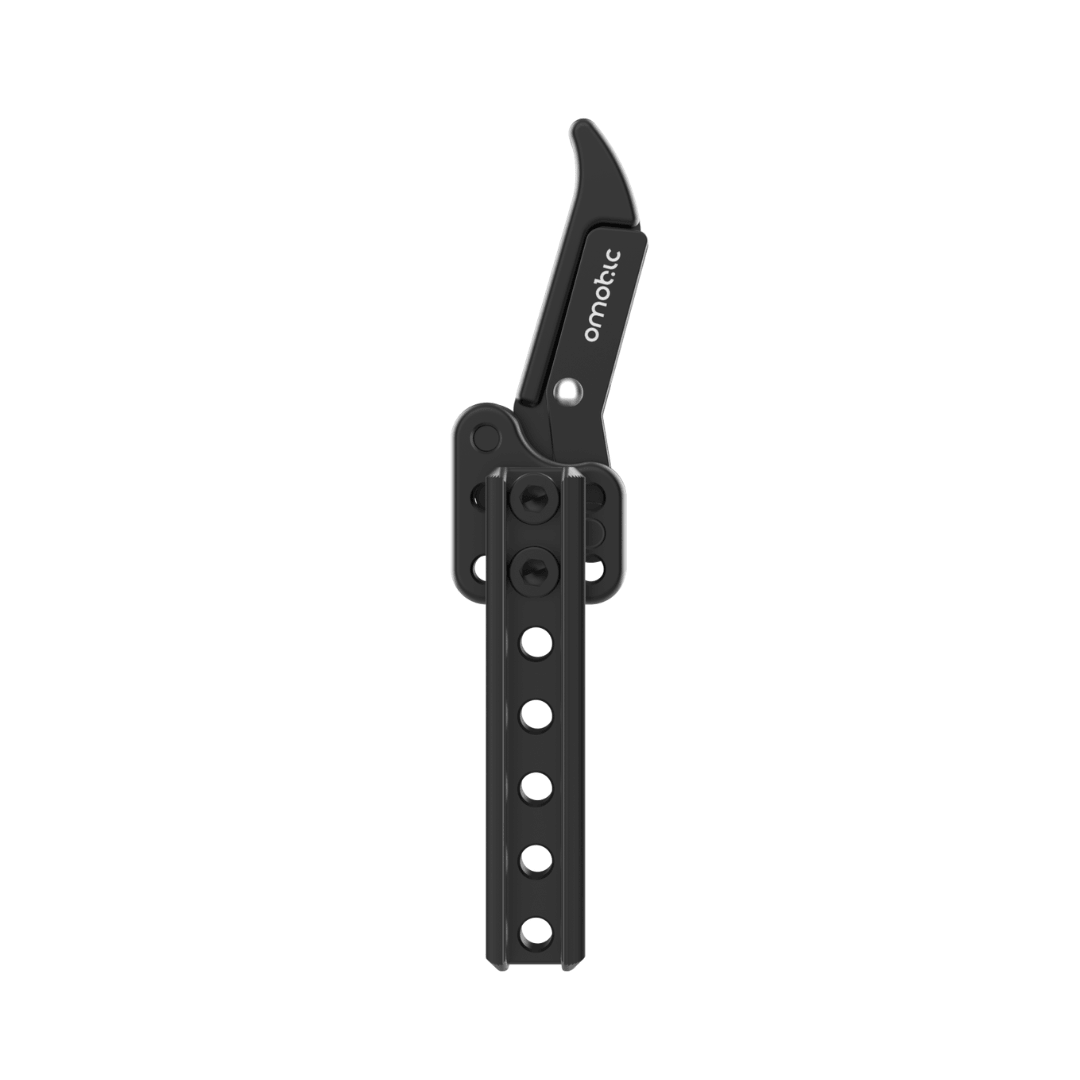
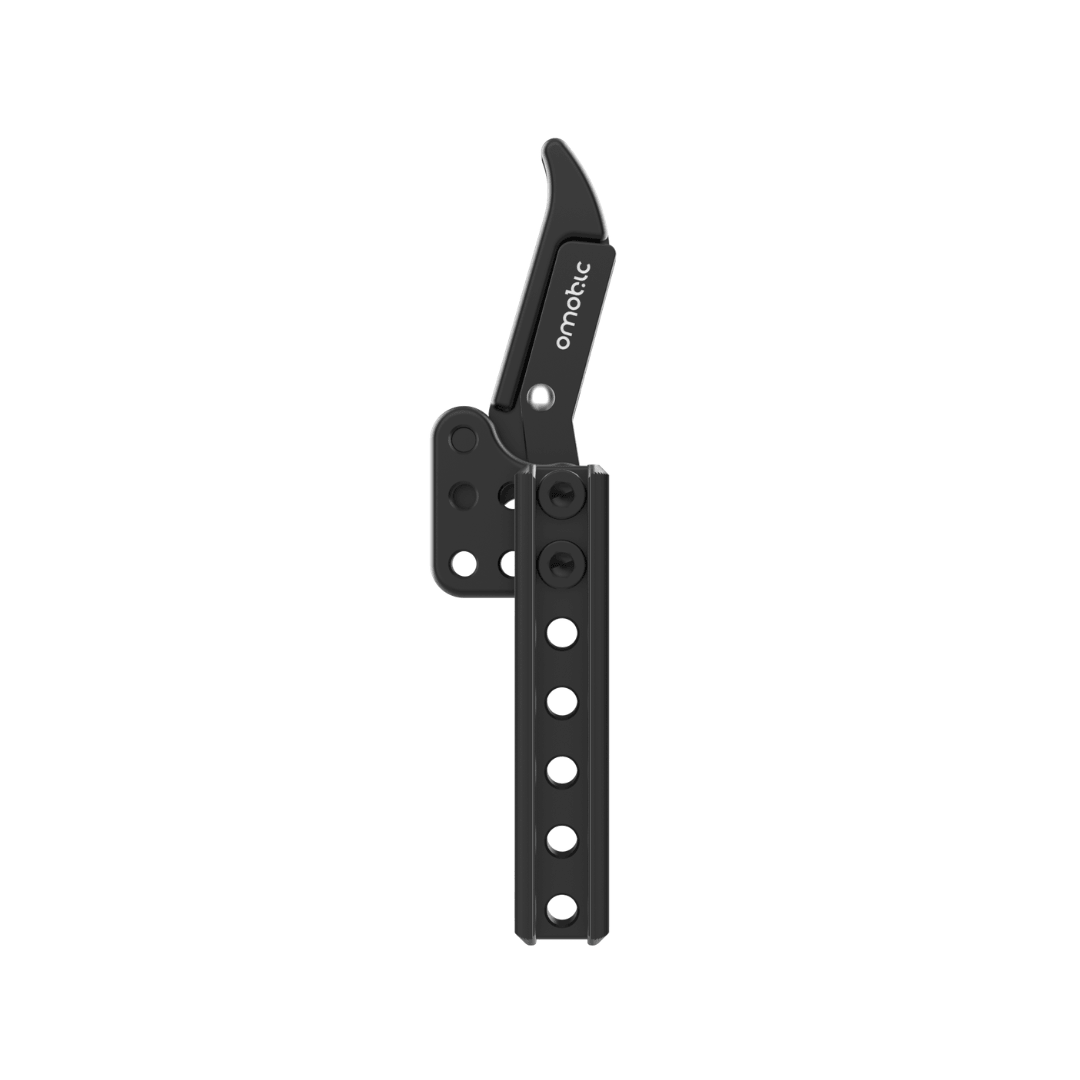

Lock – A3, wheel lock in aluminum
Technical data
Product specifications

- Weight: 115 g
- Material: Aluminium
- Surface treatment: black anodized
- Angle: 90 degrees
- Different assemble hole options
View all options and item numbers

Download pdf product sheet
Maintenance videos


Tyre pressure vs. wheel lock performance

We developed Lock A3 because
We analysed the customer needs and looked deeply into the market and what is offered today. And we realized that we have to make NEW wheel locks with easy maintenance for those needs. the best is good enough!

Approved by
I always recommend products and services that are truly beneficial for the Wheelchairs Users. My recommendations must make a positive, reliable, and long term, significant difference for the User.

Why to choose Lock - A3?

Easy assembly
Can be installed and removed quickly and easily, with no effort.

Maintenance-free
Designed for reliable performance without regular servicing.
See why people love Lock - A3

Nikolaj
Product applications


FAQ
What is the difference between the aluminum brake (Lock A / A3) and the plastic one (Lock-P)?
The aluminum wheel locks – called brakes (Omobic Lock A and Omobic Lock A3) offer higher rigidity and resistance to mechanical damage. We recommend them for intensive, active use. What is more – Lock A3 is engineered with flexible mounting ways and it is known like no maintenance.
The Lock-P model is made of reinforced plastic, which guarantees complete rust resistance. The big advantage of this wheel lock is very low weight (only 100 g). It is good choice for standard applications.
How to adjust wheel locks to my wheelchair?
When a brake stops holding securely, use this simple troubleshooting checklist:
1. Sudden loss of braking power? Check tire pressure first
Before adjusting or replacing the wheel lock, inspect your tire pressure. Low pressure reduces the tire’s outer diameter and resistance, preventing the brake shoe from gripping firmly. Inflate the tire to the recommended PSI/bar and retest the lock.
2. Adjusting new wheel locks or new wheels
Most standard wheel locks mount to the frame via a clamp system. To adjust:
– Loosen the clamp bolt slightly.
– Slide the brake mechanism along the frame closer to or farther from the tire.
– Position the lock so it firmly compresses the tire without requiring excessive force to engage.
– Retighten the clamp securely.
Safety & maintenance pro-tips:
– Calibrate lever resistance: The engagement lever should snap into place firmly without causing hand strain, while delivering enough pressure to immobilize the wheel.
– Perform a stress test: Always test the lock under load. Lock the wheels and firmly push/jerk the wheelchair to ensure the brakes do not pop open under transfer pressure.
– Monthly inspection routine: Vibrations from cobblestones and rough surfaces can loosen mounting hardware. Inspect and torque all brake bolts and nuts once a month to prevent parts from rattling loose.
How much do the individual Omobic wheel locks weigh?
The lightest model of Omobic wheel locks is the Lock-P (plastic), weighing only about 100 g.
The Lock A3 (optimized aluminum) weighs around 115 g, while the classic Lock A weighs about 135 g. We know these small differences are important for active wheelchair users fighting for every gram to make propelling the wheelchair and packing it into a car easier.


